

How to Track Daily Expenses Without Forgetting
Forgetting to log spending is the main reason budget tracking fails. Here is how to build a daily expense habit that sticks without eating up your day.
The PockitTrail team
6 min read
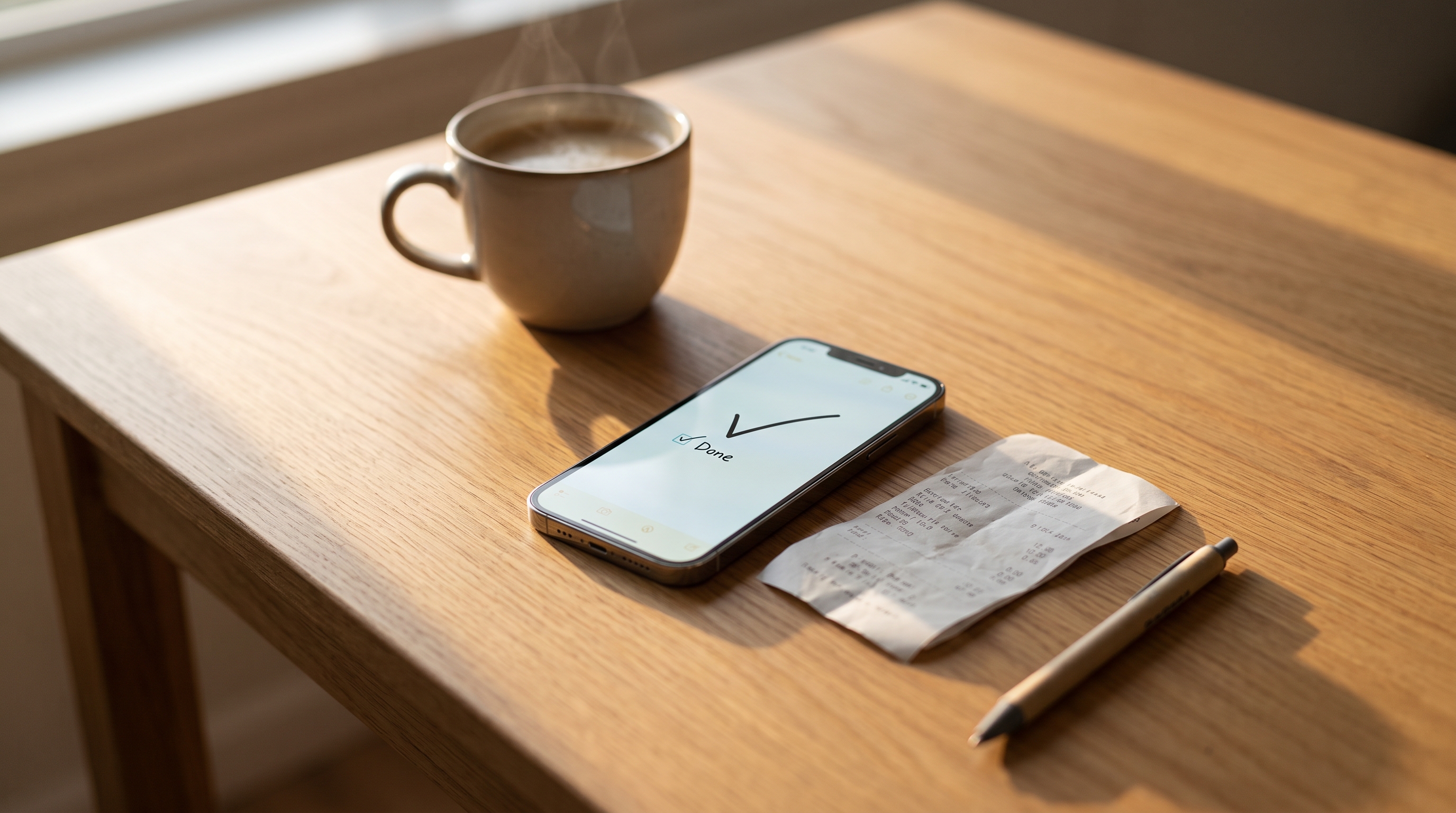
Learning how to track daily expenses without forgetting comes down to removing friction, not relying on willpower. Most people start the month with good intentions, but after a few busy days, paper receipts gather in pockets, small cash purchases get lost, and sitting down to update a budget feels like a chore. Within two weeks, the system falls apart because catching up takes too much work.
Tracking your money should not feel like doing homework. When you know where every dollar goes, you gain clarity over your daily life, your cash in hand, and what is left for your goals. Here is how to build a routine that works even on your busiest days.
Why We Forget to Log Expenses
Forgetting to record an expense rarely happens because you do not care about your money. It happens because of how the human brain manages daily tasks.
The Friction is Too High
If recording a $4 coffee requires unlocking a phone, opening a heavy spreadsheet, finding the correct row, picking a category, and doing mental math, you will tell yourself you will do it later. Later usually means never.
Delayed Logging Creates Backlogs
When you wait until Sunday evening or the end of the month to record transactions, you are forced to rely on memory. Bank statements help, but they do not show the cash tip you left, the cash spent at a market stall, or who you split lunch with. Faced with a list of twenty mystery charges, most people close the screen.
Guilt and Avoidance
Sometimes forgetting is subconscious. If you suspect you overspent on takeout or shopping, avoiding the numbers spares you from feeling bad in the moment. A good tracking habit needs to be neutral and calm, not a tool for self-judgment.
How to Track Daily Expenses Without Forgetting
To make daily tracking permanent, you must fit the action into your existing day instead of building a whole new routine around it.
1. Anchor the Habit to an Existing Action
Habit stacking is one of the easiest ways to remember everyday tasks. Tie logging an expense to something you already do without thinking:
- Record the cost the moment the cashier hands you the card reader.
- Log the trip while waiting for your car to warm up or before you step out of the parking space.
- Put physical receipts in the exact same pocket of your wallet or bag every single time.
When the trigger is an external event (like putting your wallet back into your pocket), you do not have to remind yourself to do it.
2. Use the Ten-Second Rule
If entering a transaction takes more than ten seconds, your system is too complicated. Keep your daily entry tool accessible right from your home screen or in a pocket notebook. Capture just three pieces of information right away: the amount, where it went, and how you paid (cash or card). You can sort through details and deeper categories later.
3. Log at the Point of Sale
The single most reliable way to never forget an expense is to log it before you walk away from the register. It takes three seconds to type or jot down "Lunch $14 cash" while waiting for your food. Once you leave the shop, your focus shifts to your next appointment, your drive, or your family, and the purchase disappears from your working memory.
Dealing With Difficult Expenses
Some expenses are easy to remember, like paying your monthly rent or buying groceries at the supermarket. Others slip through the cracks easily.
Cash Transactions
Cash is invisible to digital bank feeds. If you pull $100 out of an ATM and do not log what you buy with it, that money vanishes into a black hole. When dealing with cash, always ask for a paper receipt, or write down the remaining cash in hand after every purchase. If you cannot do that, record the full withdrawal under a temporary buffer category until you assign it.
Shared and Split Costs
Dinner with friends or buying shared groceries with a partner often leads to forgotten amounts. If you cover a $60 dinner and two friends promise to send you $20 each, log the transaction immediately as $60 paid, with $40 noted as an unpaid balance owed to you. This keeps your actual bank balance accurate and reminds you to collect what you are owed.
Small Digital Micro-Transactions
App store subscriptions, parking meters paid by phone, and small digital deliveries are easy to miss because there is no physical paper receipt. Turn on instant push notifications for your bank cards. When your phone pings with the charge, use that notification as your cue to file it into your records immediately.
The Two-Minute Evening Checkpoint
Even with the best intentions, you might miss a purchase during a rushed afternoon. A two-minute evening checkpoint acts as your safety net.
Pick a predictable time every night, such as right after clearing the dinner table or right before setting your alarm for bed. Open your tracking tool and do a quick review:
- Check your pockets and bag for any loose receipts.
- Look at your bank app notifications or card balance for charges made that day.
- Make sure paid and unpaid bills from the day are marked correctly.
Do not spend twenty minutes analyzing trends or stressing over category percentages. The goal of the evening checkpoint is simply complete capture. Once the day's numbers are saved, close the tool and enjoy your evening.
Make Your System Forgiving
A rigid system breaks the moment life gets hectic. A flexible system bends and keeps working.
If you wake up on Thursday and realize you did not log anything since Tuesday, do not abandon the whole month. Check your online banking, do your best guess on any missing cash, record an adjustment entry titled "untracked spending" if the numbers do not line up perfectly, and start fresh from that moment.
Tracking your spending is not about keeping a perfect record for an audit. It is about staying aware of your financial reality so you can make choices without anxiety.
A Simple Next Step
Building a tracking habit gets much easier when your tools do not get in your way. If you are tired of updating complex spreadsheets by hand, take a look at PockitTrail, an AI expense tracker and budget app that lets you log expenses in one sentence or scan receipts in seconds.
Questions people ask
What is the best time of day to record expenses?
The best time is at the point of purchase, right as you pay. If that is not possible, a two-minute review every evening before bed is the most reliable backup.
How do I track cash purchases without forgetting?
Always take the paper receipt, or record the amount in your phone immediately after putting your change away. Tracking your remaining cash in hand each evening also catches missed cash spending.
What should I do if I forget to log my expenses for a week?
Review your bank and card statements to fill in what you can. For any missing cash, record a single adjustment entry to match your current balance and continue forward without guilt.
Is tracking every single small expense really necessary?
In the beginning, yes. Tracking small expenses helps you see where money leaks happen. Once your routine is established, you can group small recurring costs into a single daily or weekly allowance.
Put this into practice
PockitTrail tracks expenses, budgets and income for home and work. Say one sentence and it files the expense for you.
Start free